


The way Roma became a goalkeeper is that she needed to help out the defenders in front of her.
She was seven. Shy. The kind of kid who kept to herself at her first soccer sessions and let the louder ones run the show. She just kept drifting deeper on the field, back, back, back, until the coaches realized what was happening and put her in net.
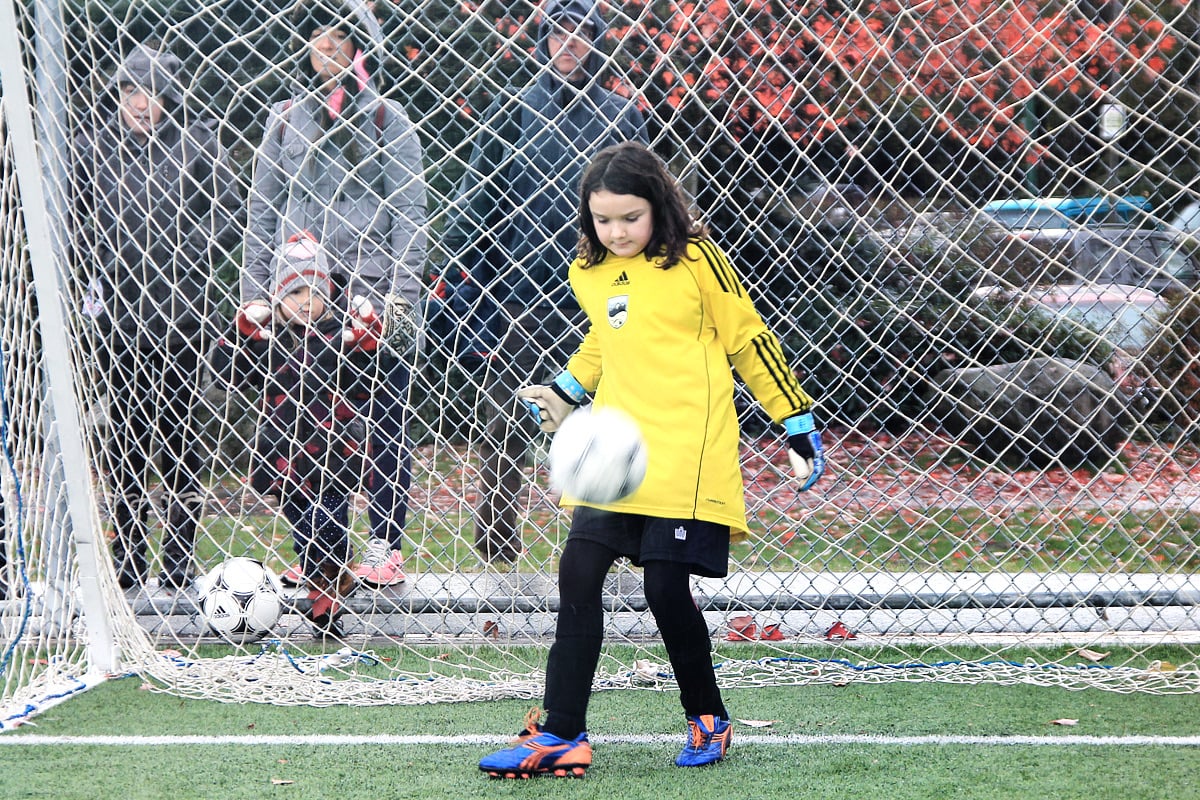
There's an irony in that, and it took me a while to see it. Goalkeeping is the loudest position on the pitch. The keeper has to be brave and big and bossy. You're the one who tells everyone where to be, who calls the line, who owns the box. And Roma was, by her own description, none of those things. She wasn't going to learn the position because she already had the personality for it. She was going to have to learn the personality because the position required it. In fact, one of her coaches, Didar, made the point early on that personality is one of the most important aspects of being a keeper.
This is a story about a kid who became the only one. About a shy seven-year-old who grew into the lone keeper carrying her Fusion team into a nationals run, through every coaching change the program moved through, through a broken finger she taped up at halftime to finish the game, and through a recruiting year that asked her, more than anything else, to be her own loudest advocate. Her family was right there with her the whole way. But the part nobody could do for her was the part inside her own head.
The pack
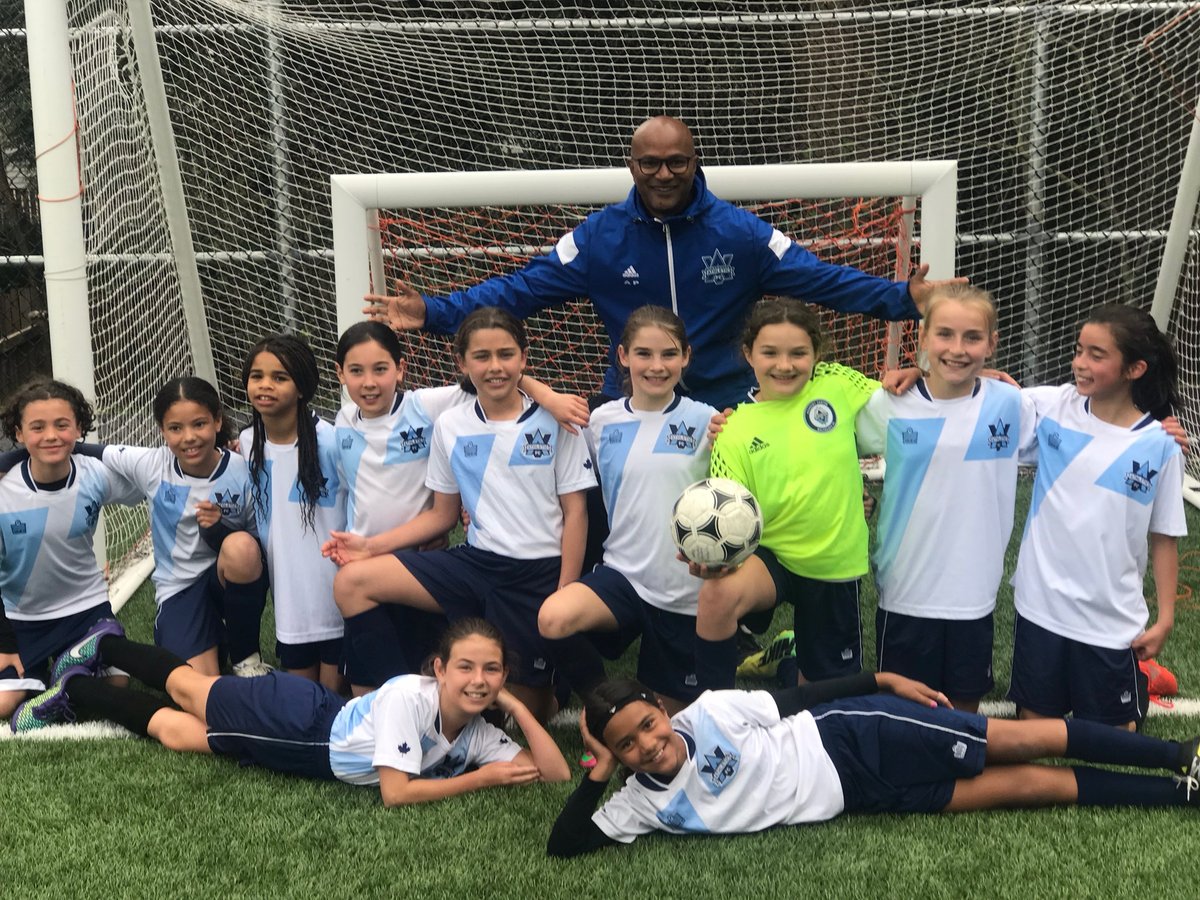
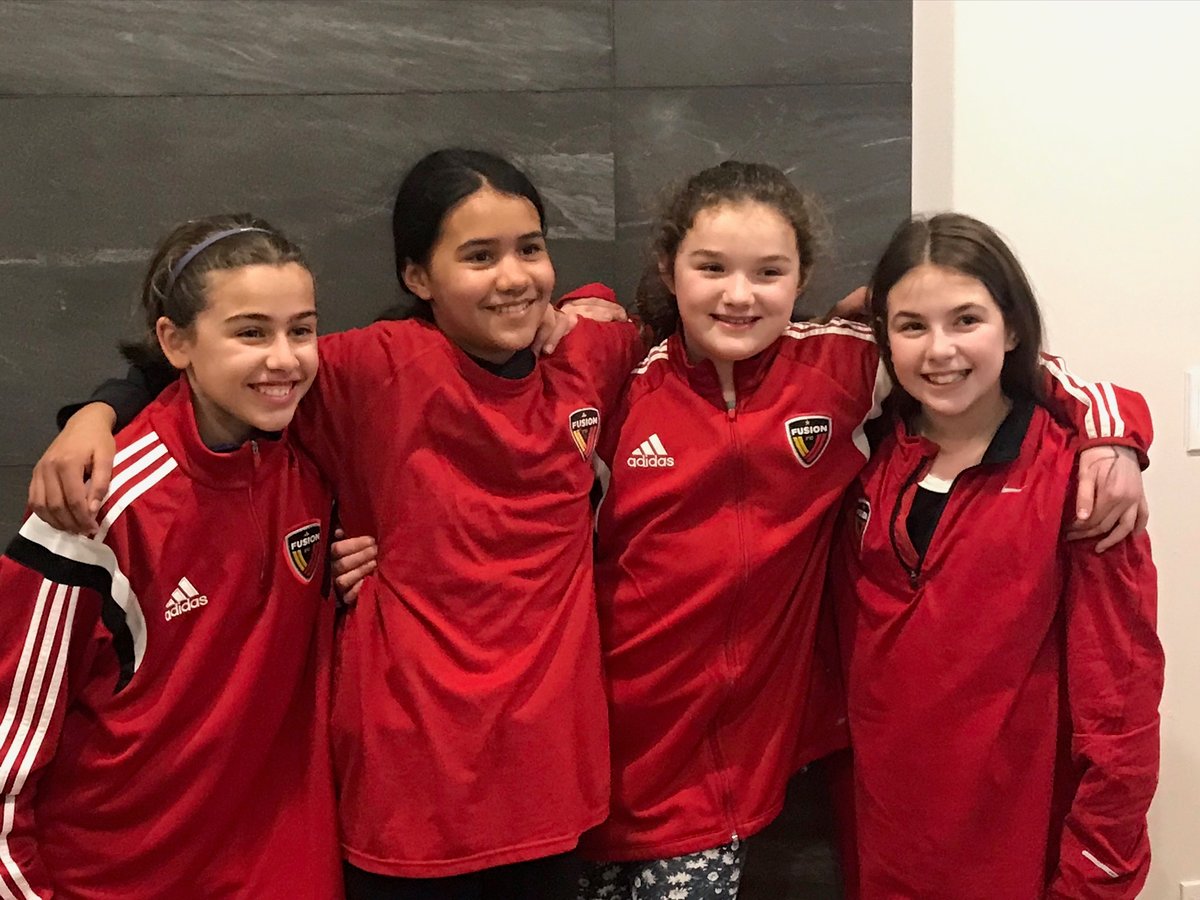
She didn't come into Fusion alone. She came in with the girls she'd grown up with at VAFC: THE Kiera Fujita , Paige, Ruby, Georgia, Eila. Four-year-olds who became seven-year-olds who became teammates again. By the time intake came around, they were arriving as a small pre-formed pack.
The path wasn't clean. She tried out at another top program first. They said she wasn't strong enough, that she'd need extra sessions to catch up to their standard. She also tried out at Fusion and made the team before the second tryout was even over. Her mom got the call and sat on it, didn't tell Roma, because she wanted her to keep working through the second tryout anyway.
That instinct, the small, quiet, unflashy kind of parenting that pushes a kid without ever telling them they're being pushed, runs through every part of this story. Roma's mom has been in the background of every drive to the field, every late game, every recruiting email. Roma will tell you she's close with her mom. What that actually means is that she has had someone in her corner since before she knew the corner existed.
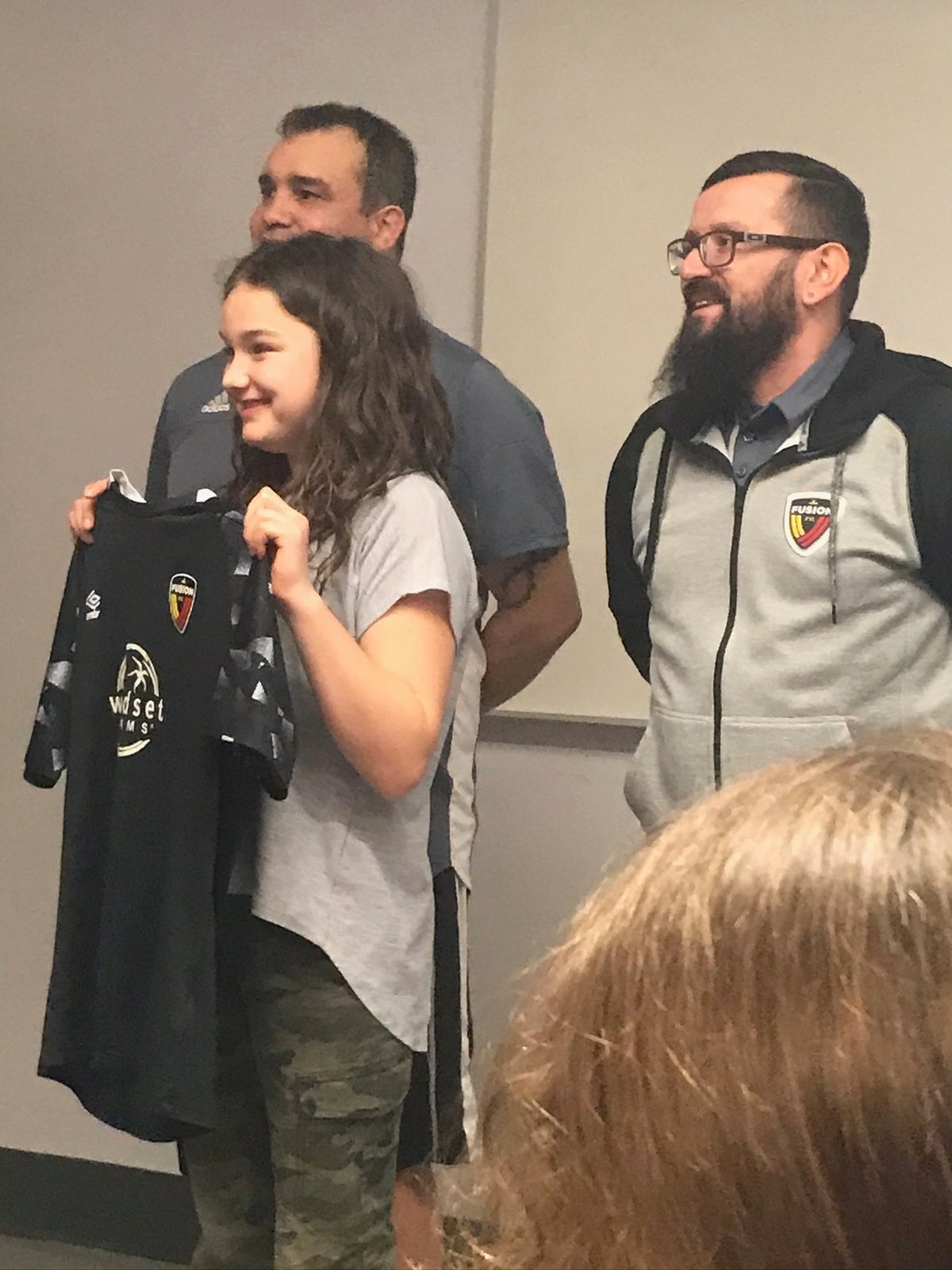
The signing day photo with John, the new jerseys laid out, the whole group grinning into a camera. And then the world shut down. Their first months as a team happened in painted boxes on a field, no contact allowed, kids staying inside their squares like goldfish in separate bowls. They formed a team without ever really meeting one.
When they finally played out of lock down, the first real game was against the same program that had told her she wasn't strong enough. They won 5–2. The first signal that this group might actually be something.
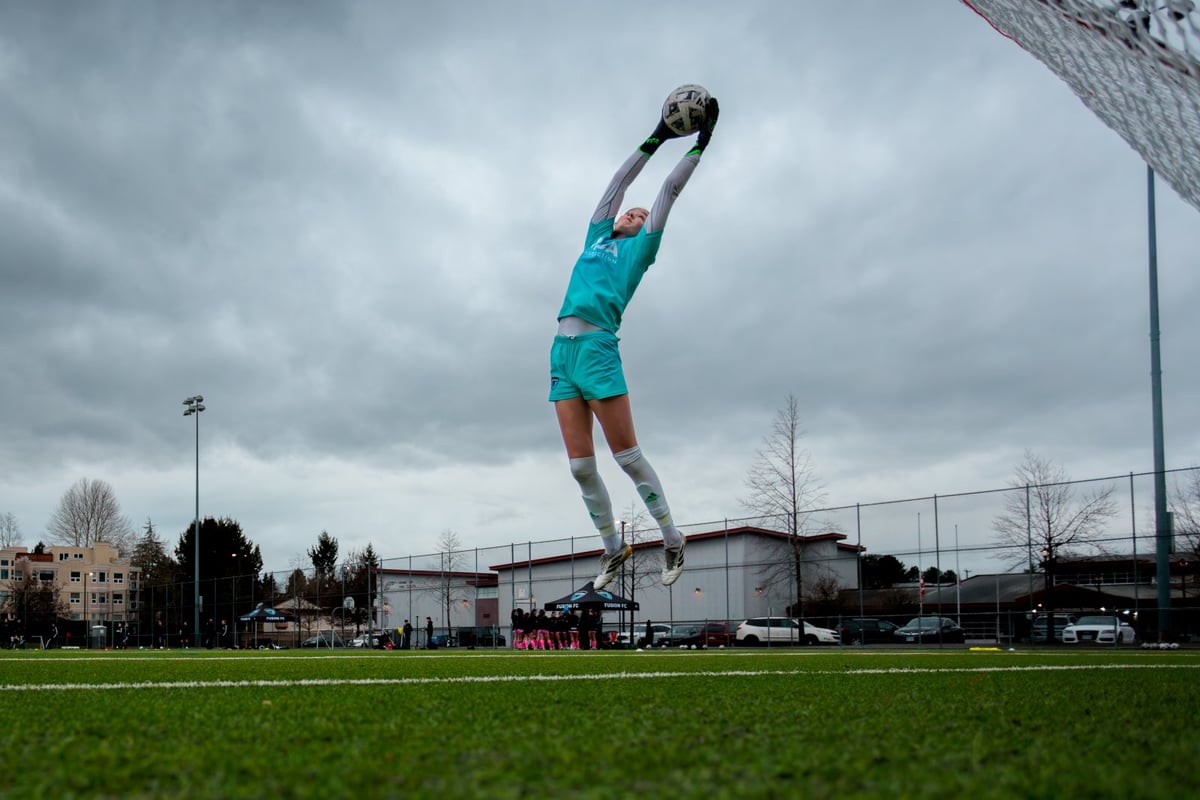
Two keepers, one shirt
For the early years, by her own admission, Roma was just there to have fun. Improvement wasn't the project yet. There was another keeper on the team from intake, and that meant there was someone to warm up with, someone to split reps with, someone who knew what the position felt like from the inside.
It also meant there was someone competing for the same position. Two keepers on the same team is a math problem nobody enjoys solving.
The coaching changed a few times across those years, and the position-specific coaching was harder to come by than the rest. Halftime feedback for the keeper was usually limited, and there were instructions she'd nod at and quietly disagree with. John, when he came back, was the exception, someone who encouraged her to be aggressive and not second guess herself. The rest of it, she was largely working out herself.
Halftime
The first game I'd point to, if I had to name the moment Roma's career stopped being one thing and started being another, is a spring game in 2024 against Thompson Okanagan. Away.
In the first half, she took a shot wrong. Jammed her finger badly. Came off at halftime crying. Asked the other keeper, please, if there was any way she could go in. There wasn't.
So Roma taped her own fingers up. She actually taped the wrong one more than the broken one (her brain swore the other was worse), but she wrapped them both as tight as she could, pulled her gloves back on, and went out for the second half. She mostly played with one hand. They won the game, and returned that night on the bus while Roma's finger swelled and turned blue.
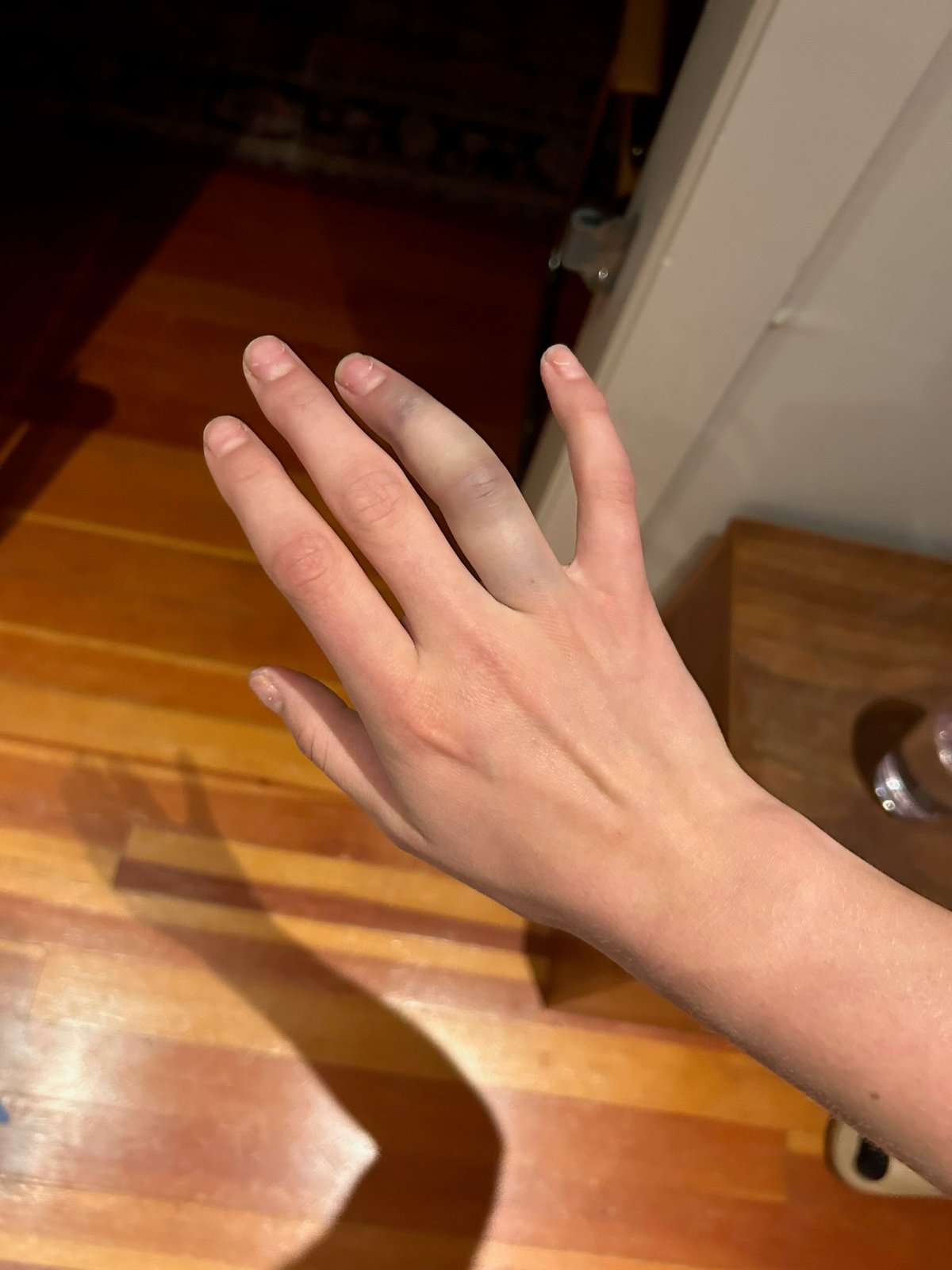
The next day she found out the knuckle was shattered. Two surgeries. Pins. A cast that ran all the way up to her elbow. She missed the Trek kayak trip her whole grade had been building toward all year, because you can't paddle a kayak with one arm in plaster.
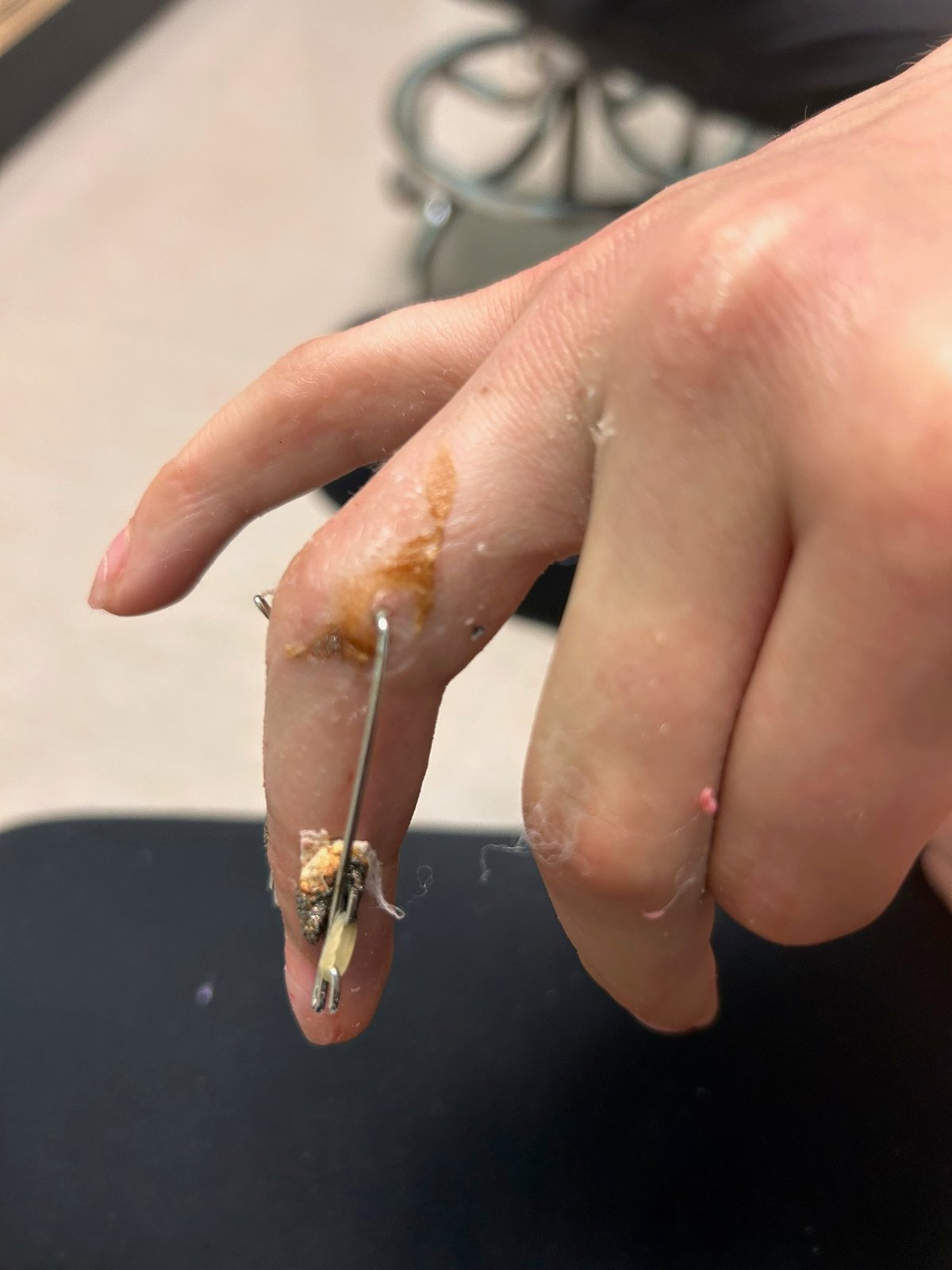
I asked her what she took from that game, and she didn't say anything about the win. She said it was the first time she really understood what the rest of her career was going to feel like. Even if she wasn't 100%, she played anyway. Or the team had nothing.
The only one
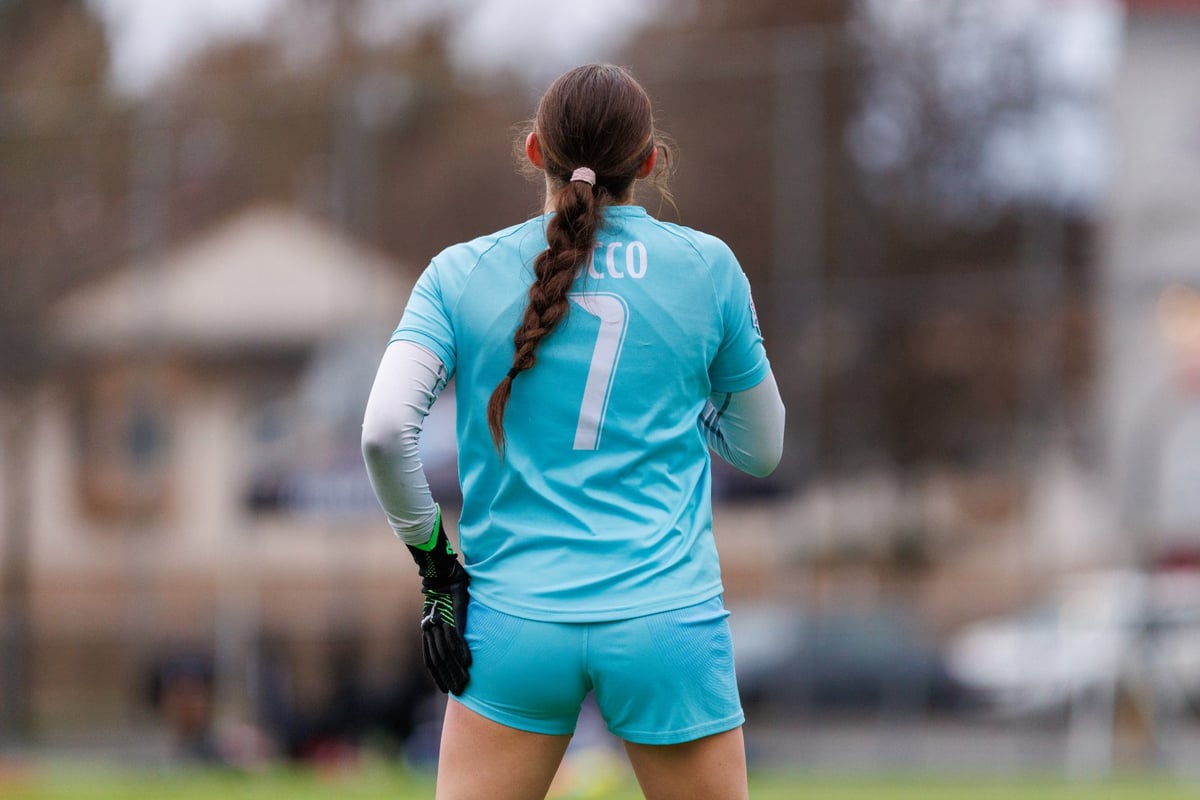
In the 2024 summer preseason, ahead of the U17 Nationals year, the other keeper stepped away and Roma became the only keeper. For Roma, the transition was hard at first. Then it was clarifying.
Every single league game that year, Roma played. Not half-and-half. Not in rotation. Every minute. The ambiguity around who was starting was gone, and so was the safety net underneath it.
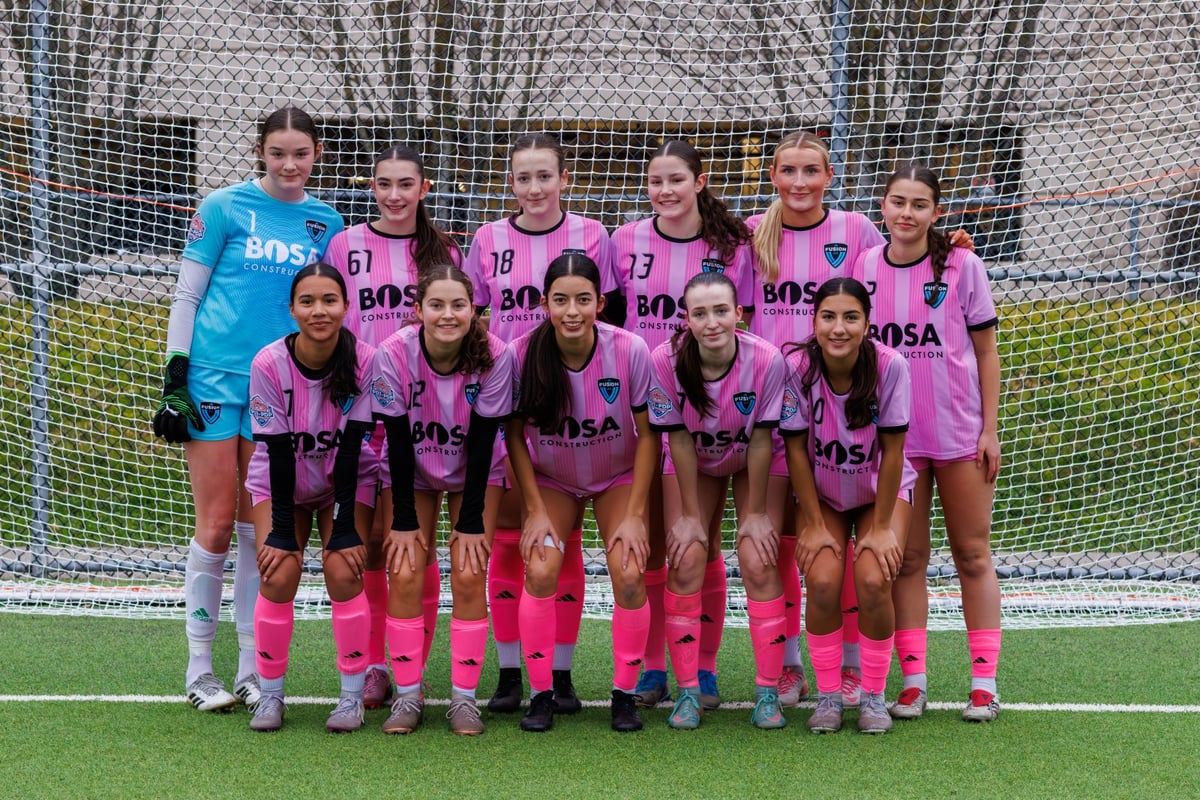
Here is the small detail that, for me, says everything about that season. Even after years on the same roster, Roma still had to coach her own teammates on how to warm her up. Whoever was injured or red-carded that day would rotate in to take shots at her before kickoff. If everyone was available, Jason would do it. She'd grin about how that went. A goalie warm up is its own skill, and the keeper was usually the one who knew it best. Picture that for a second. The Iron woman of a nationals-bound team standing in her box before a game, telling her own back line where to put the ball, because there was no one else on the planet that day whose job it was to get her ready.
Practices flipped in her head. The team wasn't training her position. They were using her as a target in shooting drills, and otherwise she was playing out with them. So she walked into every session with her own quiet brief: today I'm working on this footwork. Today I'm holding everything I catch. Today I'm coming out for crosses. She ran her own development inside someone else's training plan, and nobody had to ask her to.
She figured out where her center backs and fullbacks needed to be by listening to what the coaches were telling them: stay connected, diamond in the middle, fullbacks in front of center backs. Then she became the voice in real time that reminded the line of all of it. She organized positions she'd never played, in a language she'd taught herself, in the middle of games.
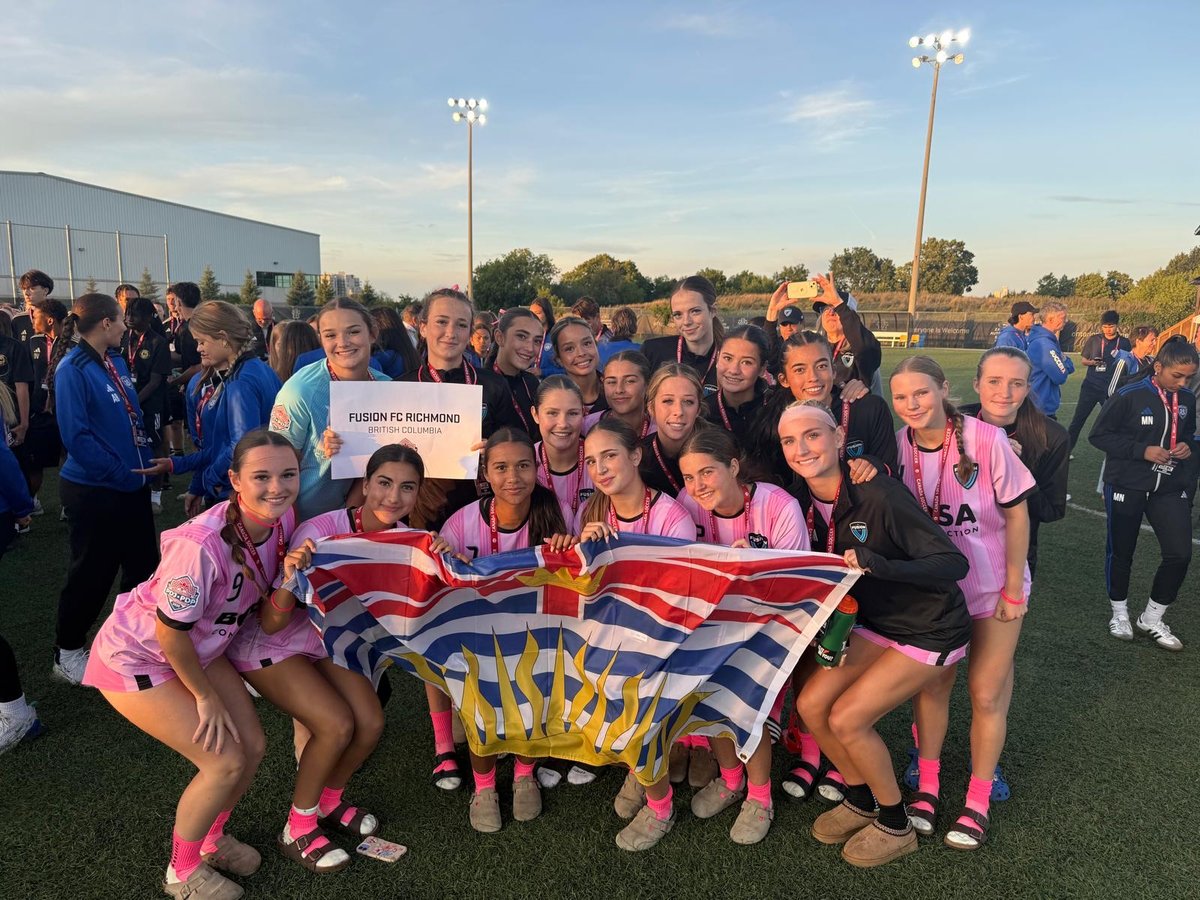
Eventually, in the spring of 2025, Roma had six clean sheets in ten games, and the team won the provincial cup and went to the PDP Nationals in Toronto.
The reset
The hardest skill in goalkeeping is the one nobody talks about. I asked her once what the toughest part of the position was, and she didn't say the diving or the long balls or facing a striker one-on-one. She said it was the mental side. You have to have a memory like a goldfish, she told me. That's the saying. The reset.
A bad warm-up, a couple of mishit long balls, can cascade into the game if you let it. Roma knows the spiral. She's also learned how to interrupt it. Spit on the gloves. Pull the socks up. Next ball.
There was a game I was shooting where a ball rolled between her legs and into the net. She told me afterwards that had never happened to her before. There are other moments or games that don't go the way you plan, and Roma puts these moments behind her, forgets them quickly so she can look ahead to the next moment and make it that much better. So it's gone. Next thing.
The math of being a goalkeeper is brutally unfair, and she names it cleanly. Outfield players give the ball away dozens of times a game and nobody tallies it. When she does it, it's a goal. The job comes with that arithmetic built in. There is no way to be a keeper without making peace with it.
Through all of it, she was her own coach. Her own development plan. Her own halftime feedback. Her own reset.
Jenga
The U17 year was also the recruiting year. It was also the new-coach year, the only-keeper year, the can't-miss-a-game year, and the must-stay-healthy year. Every demand stacked on top of every other one, like Jenga blocks balanced just well enough not to fall.
When I asked her if it ever registered how much she was carrying, she shrugged.
This is just my job. I have to do my job.
— Roma Cocco
That is the answer that tells you the most about her, I think.
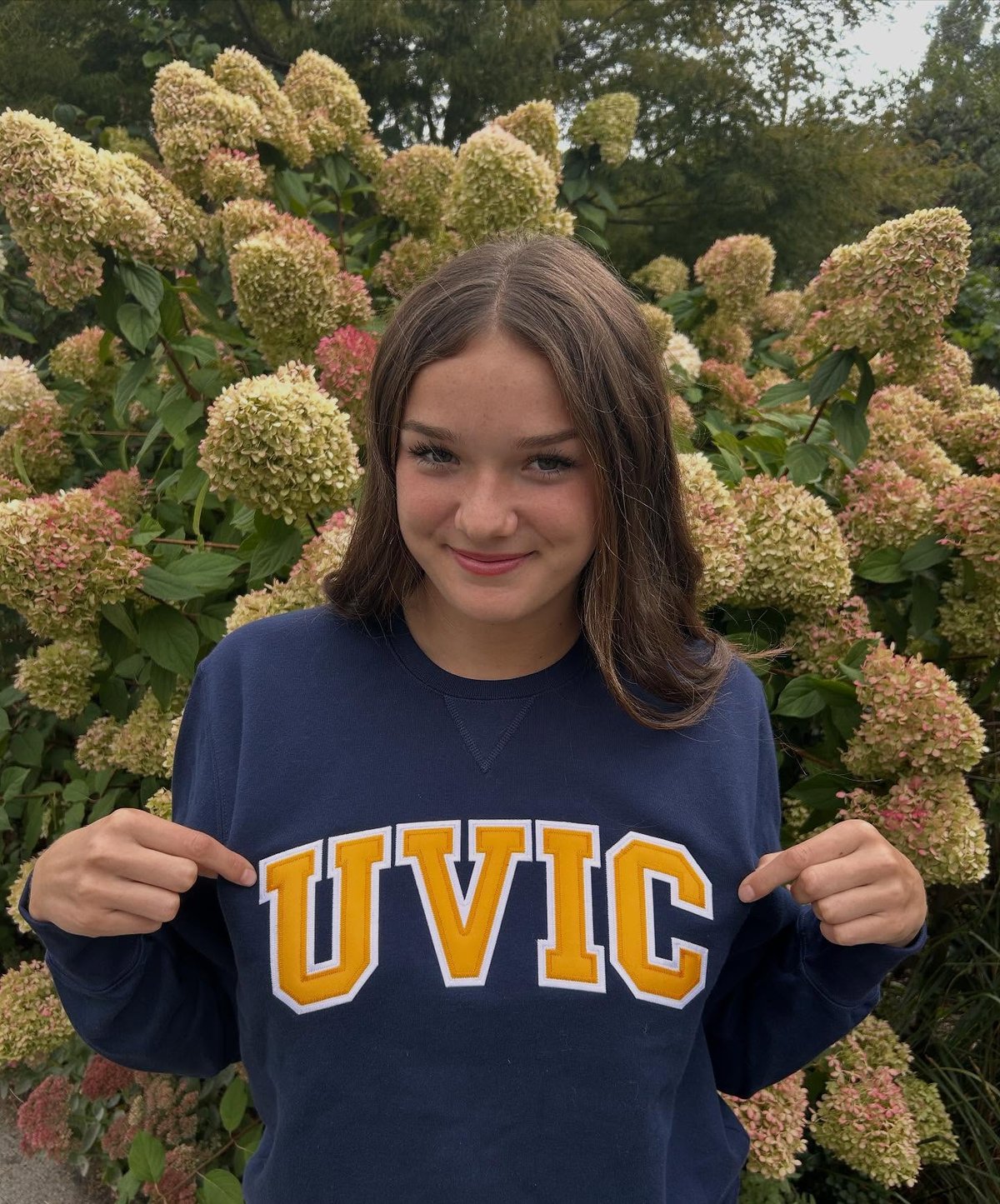
She reached out to schools. Some conversations were further-flung, and a couple of programs were interesting, but nothing felt like the right fit until she started talking to the coaches on the island. Her mom was in those conversations too, the way she'd been in every conversation. But Roma did the reaching.
At UVic, Tracy, the head coach, has been in the job for twenty years, and she told Roma plainly: we think you're a really good player, and the height helps. The growth spurt that arrived late (end of 2024, putting her near six feet) suddenly counted for something. Goalkeeper dad at 6'4", tall mom, the genes finally arriving on schedule.
She's looking forward to making an impact on this team, and contributing in whatever way they need her.
Fake it
Here's the part that brings the whole arc back around for me.
The seven-year-old who became a goalkeeper because she needed to help out her defenders had to become, eventually, the player on the field who's brave and big and loud, because the position demanded it. That is the opposite of where she started.
Before the provincials quarterfinal, she sprained her wrist at a Friday practice on a strange shot. She didn't tell her teammates. If they thought she wasn't at a hundred percent, the whole back line would tilt forward to compensate. So she taped it, decided she was fine, told herself if anyone asked her about it the answer was that she was fine, and her team played in front of someone they trusted, because the someone in net had decided not to give them anything else to worry about.
The advice she'd give to seven-year-old Roma, if she could go back, is to fake it till you make it. Perform the confidence until the confidence becomes real. If she'd believed in herself earlier, she thinks she'd be further along now. There's a part of me that disagrees. I think every confident thing she does now is built on top of every uncertain version of herself that came before. But I won't argue with her. She knows the inside of this better than I do.
She already knows the next version of it, too. At UVic, she'll be a first-year keeper who has to be willing to yell at a fifth-year senior. She knows that's socially weird. She also knows it's necessary. She's been preparing for it without anyone telling her to.
What she carried
There's the goalkeeper dad who'd take her to the park when her long balls went inconsistent and just kick with her until they came back. There's the mom she's so close to that the ferry to Victoria reads as the right distance, not the wrong one: close enough to come over for a weekend, far enough to be on her own. There's the little brother in grade 9, six-foot-something, who picked up rugby instead, walking a totally different path.
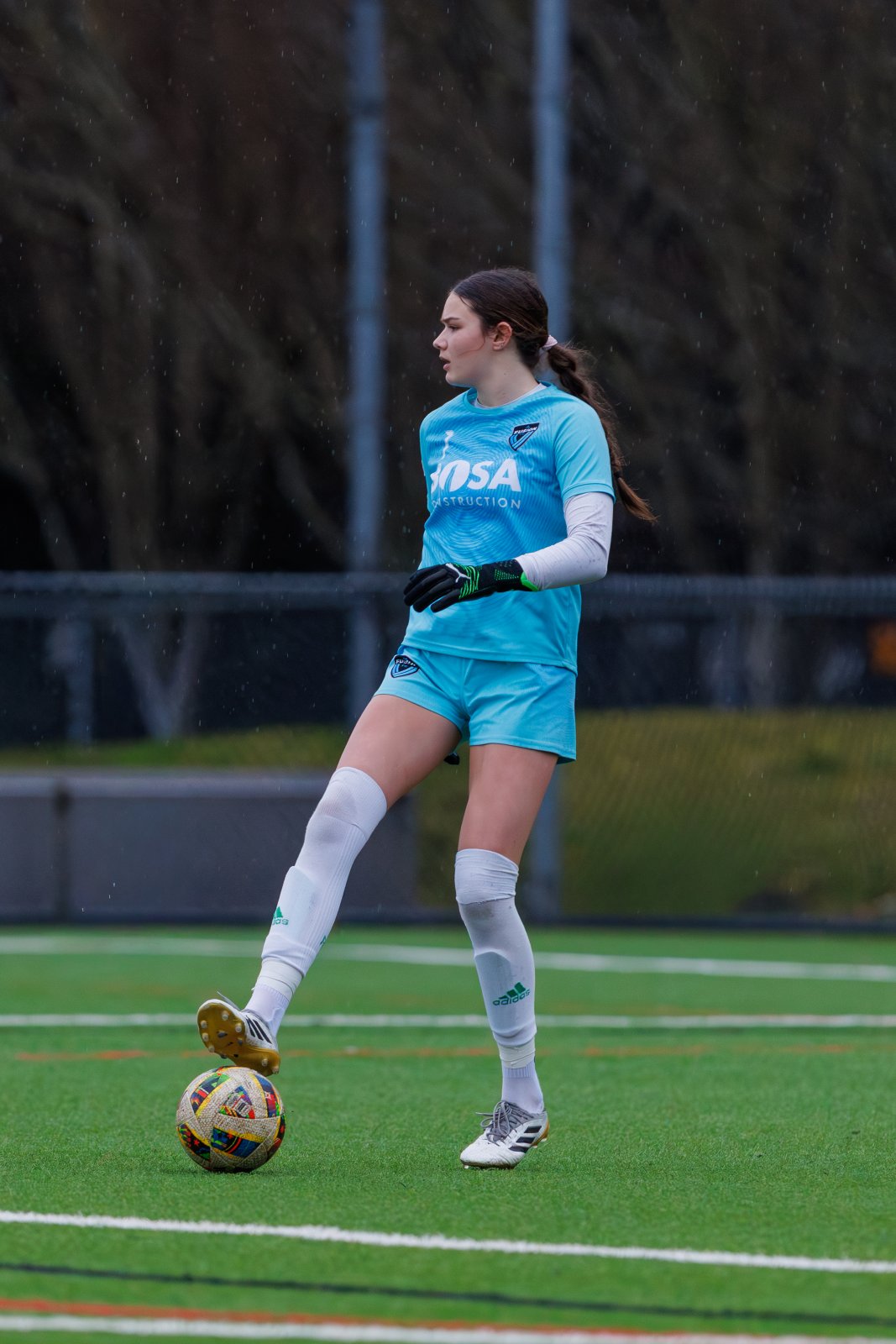
And there is Roma, who never once in the hour we spent together described any of this as remarkable. The broken finger. The coaching she had to translate for herself. The warm-ups she had to choreograph. The every-single-game streak. The recruiting trail she walked under her own steam, with her mom right behind her where every good parent should be. To her, it was just the shape of the job.
The rest of us see the weight. She just keeps playing the next ball.
