

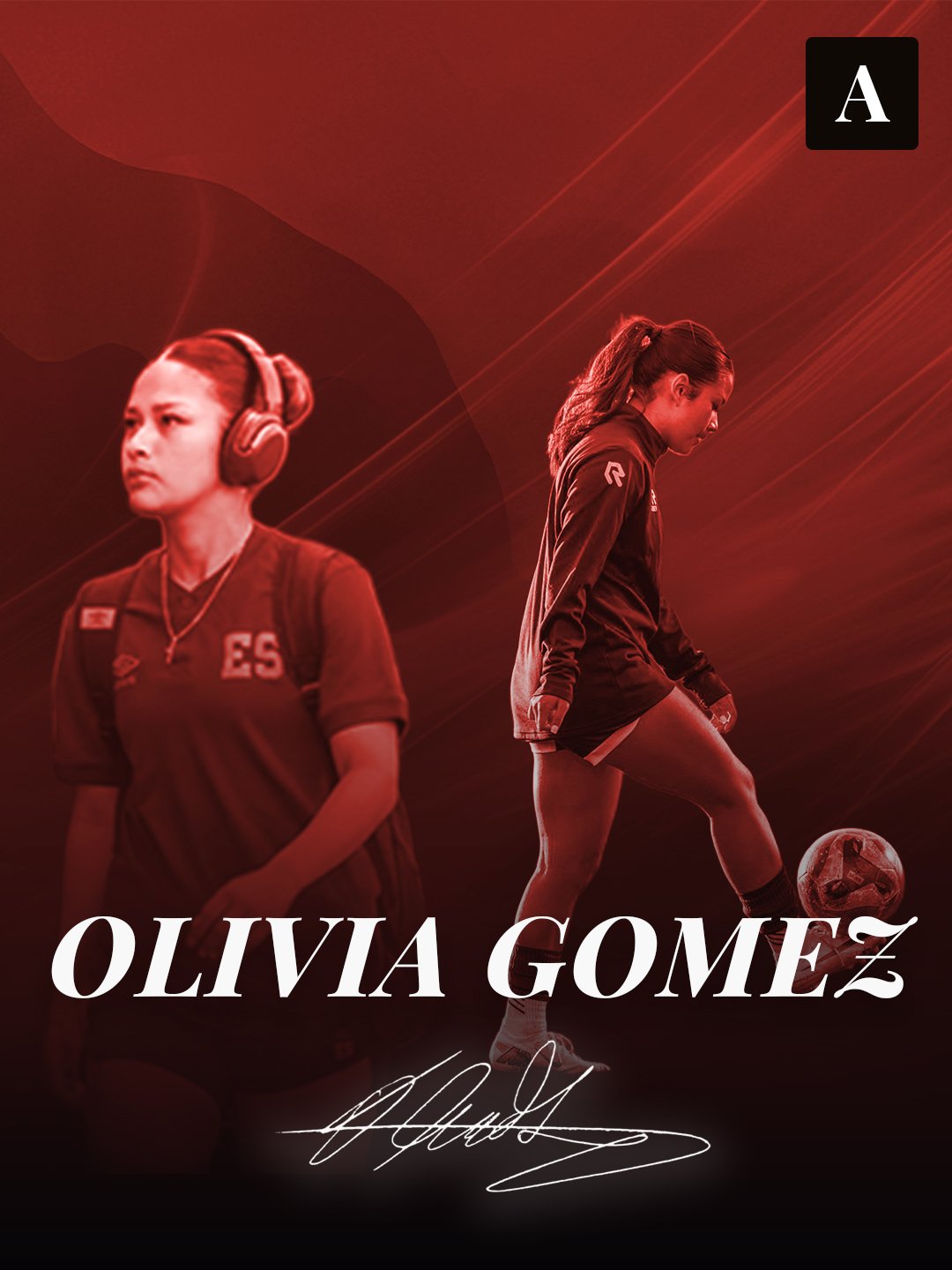
The bus can barely move.
The streets around the stadium are packed with fans. They press up against the windows, phones out, waving flags, calling out names. Police escorts clear a path to the gates. Inside, the stands are nearly sold out for a friendly between El Salvador and Costa Rica. When the players step off the bus, people reach out for photos and autographs like the team is made of movie stars.
Olivia Gomez has a word for it.
It was like a movie.
— Oliva Gomez

On the bench that night, among a squad of professionals who play in the Mexican league and across the NCAA, sits a 19-year-old fullback from Richmond, BC.
Here is the part that does not make sense. This is the same kid whose parents once had to run along the sideline of an indoor gym to make her run, because at four years old she hated soccer that much. She quit after one season. She did not come back for six years.
So how does that kid end up on a national team bench in Central America?
.jpg)
The answer runs through her whole career, and it is not the answer you would expect. At every level, at every tryout, at every door, somebody else saw it first. A boys' house-league coach. A coach named Cass. A BCSPL coach named Jas. A UBC coach named Jesse. A national team scout in Los Angeles. Every single one of them believed in Olivia Gomez before Olivia Gomez did.
This is the story of her confidence catching up to her ability. It took about ten years. It is still catching up now.
The Kid Who Hated Soccer
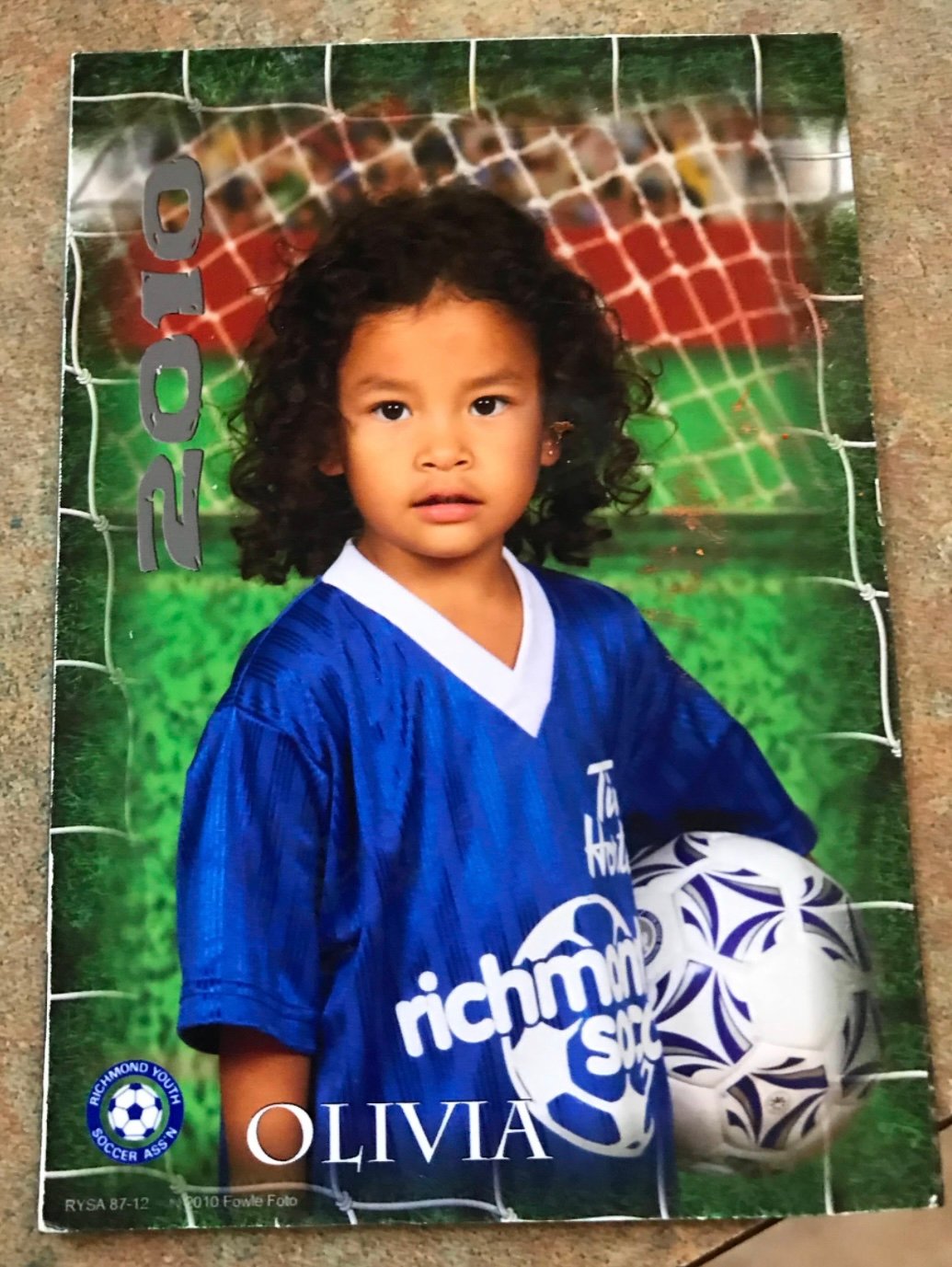
Olivia's first season of soccer was at four years old, in the Timbits program. Outdoors, it was fine. Then winter came and the program moved into a gym, and she wanted nothing to do with it.
They would have to run with me on the sideline to make me run. I did not want to be there.
— Oliva Gomez
One season. Done. No soccer.
Which was complicated, because soccer was everywhere in her house. Olivia is the middle child between two brothers, Mateo, a year older, and Rafa, and both of them had been playing since they were four. Everything at home was a competition. She grew up fighting for every win at everything, and carrying the extra thing girls in sports carry, the constant low hum of having to prove you belong.
Her mom put her in ballet. She hated it. Too still for a kid who needed to move. Then came gymnastics, and gymnastics stuck. She loved it. She wanted to be a gymnast. Uneven bars were her favourite event. Beam was her worst.
For five years, soccer stayed in her life only at the edges. She was always at Hugh Boyd watching her brothers play. She grew up in a cul-de-sac full of kids, and the two boys across the street played soccer too, so there were always games in the street. The sport waited for her.
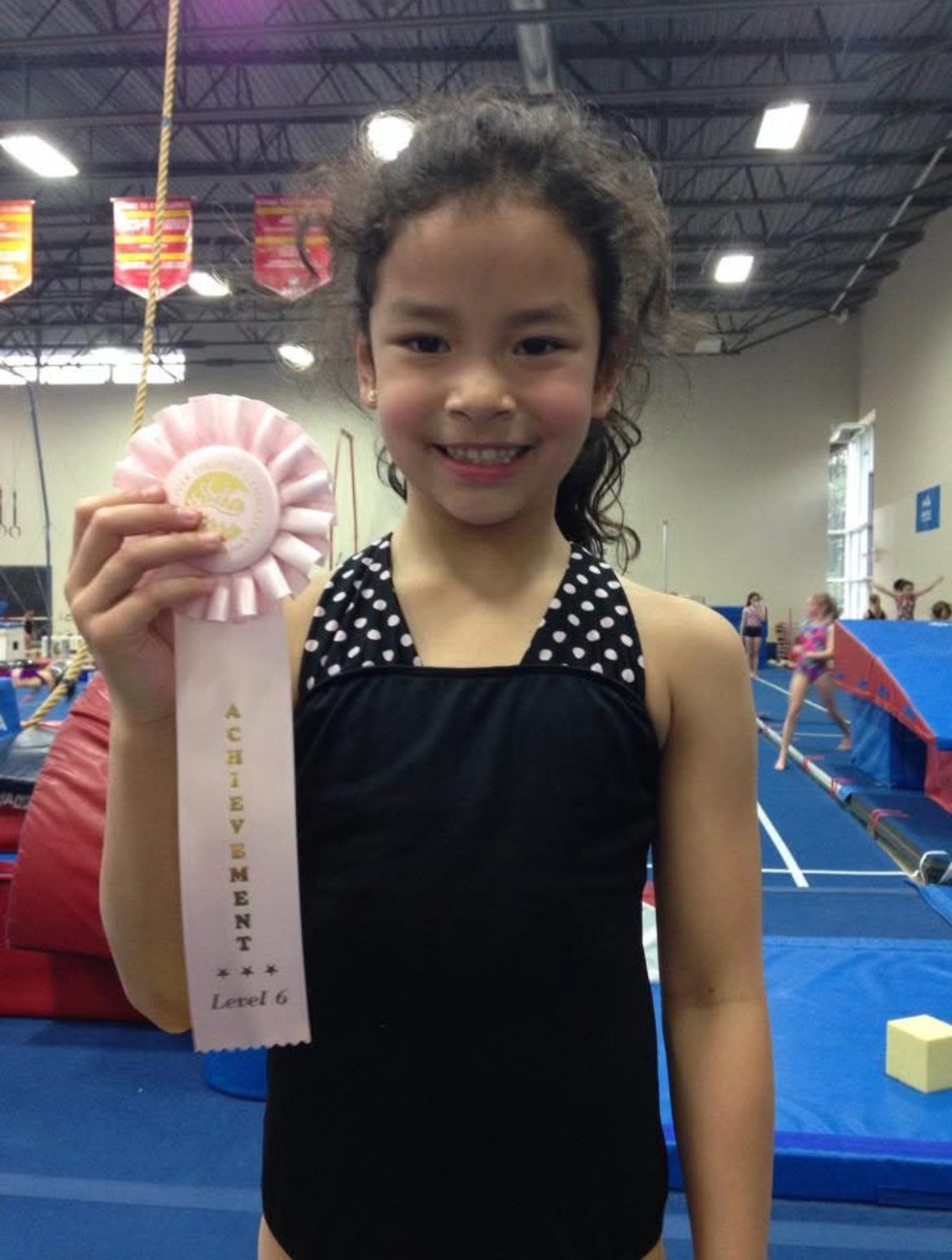
Gymnastics ended at ten or eleven, right before her first competition. There was a coach at the gym, not even her team's coach, who singled her out. Only her. Corrections, constantly, until she was anxious before every practice. One day she broke down to her parents and told them she was done. It shocked them. They knew how much she loved it.
She was ten years old, and she had already learned what a bad coach can take from a kid.
Cleats in the Car
Around the same time, she asked her parents if she could play soccer again.
They checked. Are you sure? You didn't like it before.
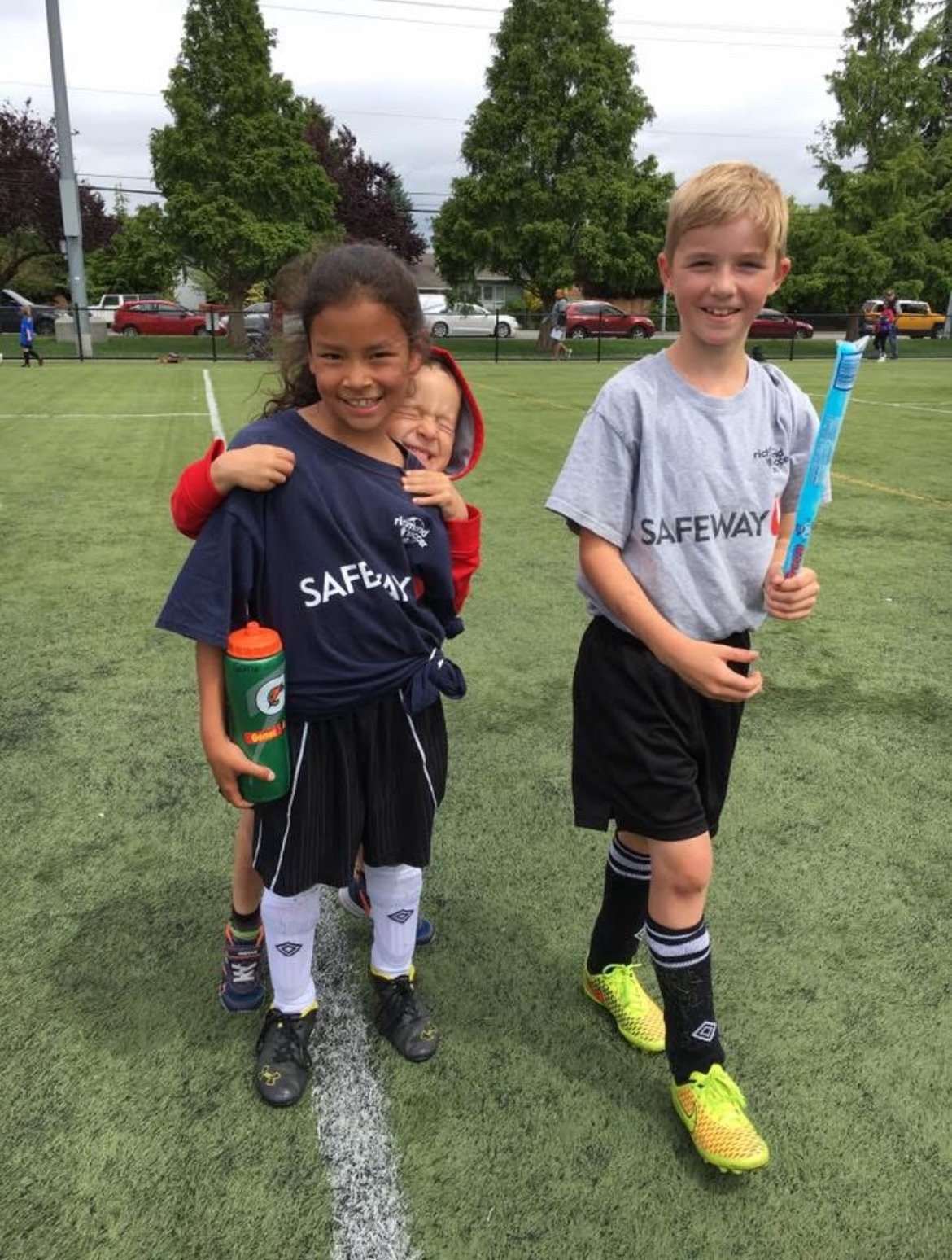
She was sure. So she went back to house league at RFC, spring seasons only, two years in a row. Ask her to scout her ten-year-old self and she does not dress it up.
I don't think I was very good at all. I was just fast.
— Oliva Gomez
Fast, and tenacious. That was the whole toolkit.
The second spring is where the story turns. After her own games, she would stay to watch Mateo play. One weekend, a team in his boys' division was short on players, and somebody asked the question that ended up changing her life.
Do you have your cleats in the car?
She did.
Suddenly she was playing with the 12-year-old boys. And the boys did exactly what she expected them to do. They did not pass her the ball. She was just there, invisible, the girl making up numbers. Then, in that first game, she scored.
The passes started coming after that.
She finished the whole season with that team. Back-to-back games every week, the girls' game and then the boys' game. At one point she lined up against her own brother's team, which happened to be coached by her dad.
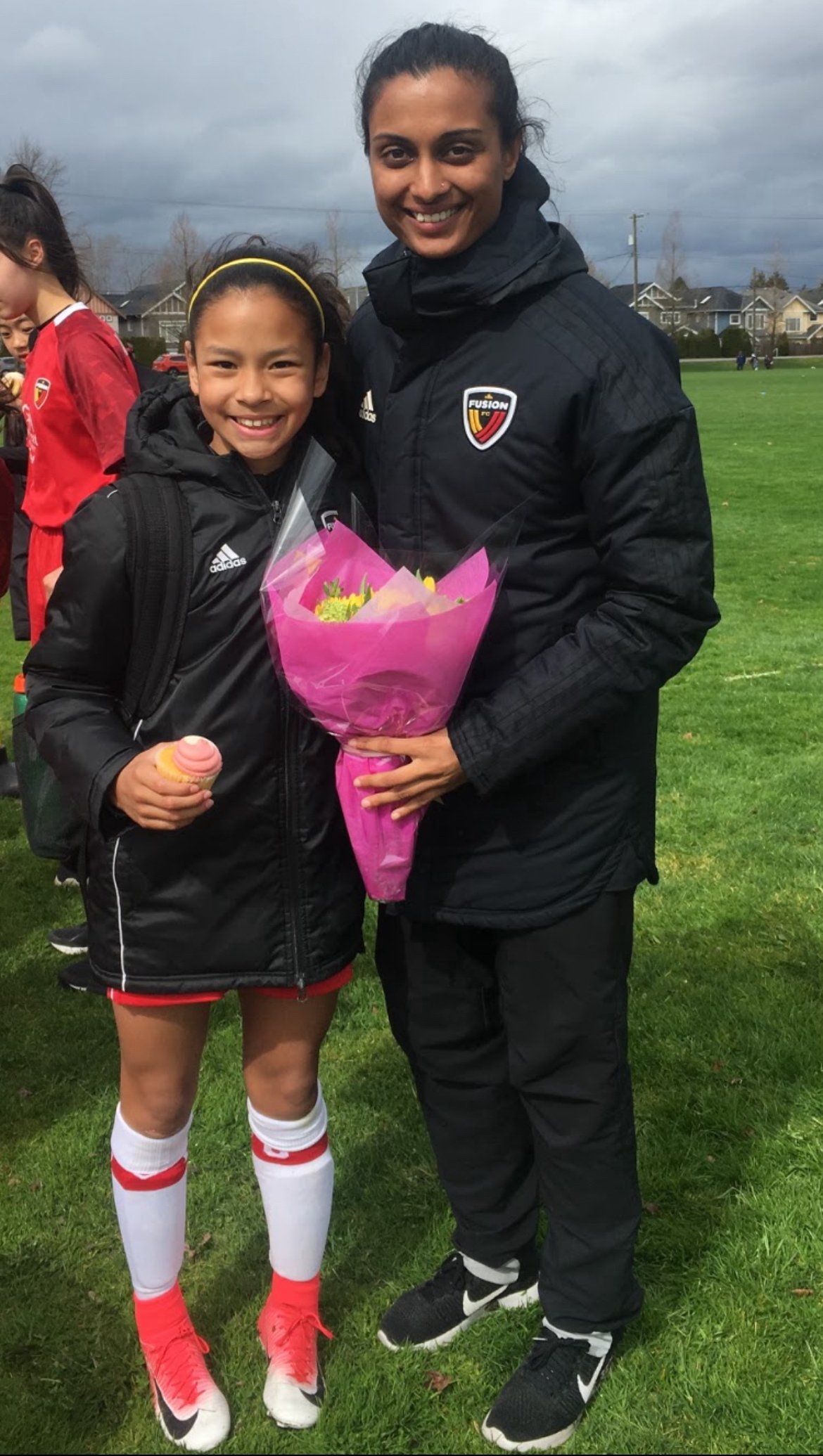
Somewhere in that stretch, Coach Sherrick pulled her aside and planted a seed. She should try out for the select teams.
The Red Caps
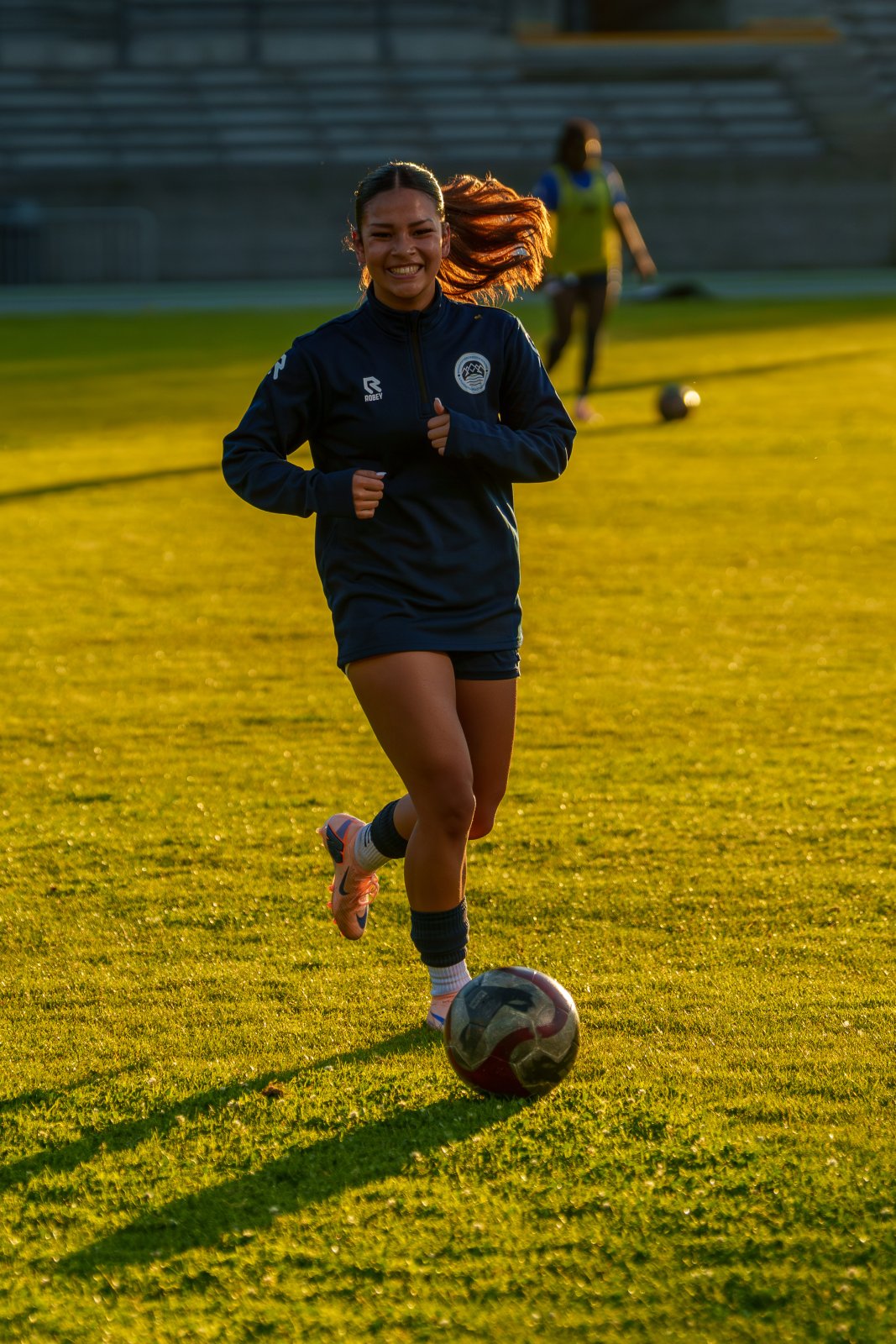
She went to the RGSA select tryouts at eleven expecting nothing. Normally the program ran an A team and a B team. That year, for her age group, they decided to add a third.
She made the C team. She did not think she was going to make anything. Neither did her parents.
They made her a striker, and the season that followed is still one of her favourites. The team was called the Red Caps. The tactics were not complicated. Get the ball to Olivia, let her run past everyone, watch her score.
I don't think I've scored that many goals since.
— Oliva Gomez
The coaches were volunteer parents, with Coach Cass overseeing the group. Soccer was just fun. It is worth sitting with that for a second, because it is the last time in this story that it gets to be that simple.
Olivia went to Blessed Sacrament, a tiny French-immersion Catholic school in Vancouver, and two of her schoolmates played on the 05 Fusion team. They were the ones who told her about Fusion. You should try out. It's so much fun.
Her family knew nothing about any of it. Not the pathway. Not BCSPL. Not what an intake year was. Her older brother had played rec soccer his whole life. This was the first time the Gomez family had ever navigated the system, and her dad did the homework as they went.
The Email That Went to the Wrong House
Before the Fusion tryout, Olivia told her entire C team the same thing.
"Even if I make it, I'm not going."
Part of that was armour. Most of it was true. She loved the Red Caps.
Then she made it. And the way she found out might be the most Olivia detail in this whole story. The offer email, the one that said hey Olivia, we'd like to offer you a spot, was accidentally sent to the wrong family. Brooke's dad Rob got it, and forwarded it over. We got this email, but I think it's meant for you.
Her dad did not know what to do with it, so he wrote to Coach Cass and asked her honestly. Do you think this would be good for Olivia? Cass wrote back that it would be a big change, but that it would be worth it, and then she said the sentence that this story is named after.
There's a reason why Olivia got invited.
Olivia still shakes her head at it.
They must have just seen potential or something, because I was not good.
— Oliva Gomez
She was also tiny. At the tryouts, one of the girls in her year, Gaby, was already five foot eight at twelve years old. Olivia was four foot something, scrawny, and a late birthday on top of it. There are photos from that era where her own teammate looks like her babysitter.
She accepted the spot anyway.
What Have I Done?
The first practice was at Trillium Turf. The coach, Jasmine Mander, opened with the simplest instruction in soccer.
Everyone get a ball and start juggling.
Olivia could not juggle.
.jpg)
Around her, girls were flicking the ball up like it was nothing. Brooke already had a juggling record in the hundreds. Olivia stood there on a turf field full of the best players in her age group and had one clear thought.
Oh my God, what did I do? What have I done?
— Oliva Gomez
Her dad remembers that practice too, and he is honest about it. She was not at that level. Everyone else was really, really good.
You would like this to be the part where the gap lit a fire in her. It did not. Not at first. It crushed her.
I felt like I was not meant to be here. Like an imposter.
— Oliva Gomez
Within the first couple of months, Fusion held individual parent-player meetings. Jas coached both the 05 and 06 girls, and she had sent out a questionnaire beforehand. What do you think is your biggest strength? Your biggest weakness? Olivia went into that meeting with her dad and told the truth. She was the smallest player on the field. Everyone was better than her. She did not know if she was at their level.
Jas let her finish. Then she told her something Olivia has carried ever since. Out of the 05 and 06 teams, both of them, she thought Olivia was one of the most hardworking players there. And that was why she was on the team.
She was like, you're here for a reason. We picked you for a reason. We're not going to pick a bad player.
— Oliva Gomez
Something shifted in that room. Not everything. Confidence does not work that way. But something.
That sparked something in me.
— Oliva Gomez
.jpg)
The other thing that happened almost immediately was the position change that defined her career. At tryouts, Jeremy Holland had watched her playing winger, because she hated playing striker, hated standing around waiting for the ball. He moved her to fullback. She told him she did not know what that was. His instructions were about as simple as coaching gets.
Do the exact same thing you're doing as a winger, just run back.
— Oliva Gomez
She played one game on the wing for Fusion. Then they moved her to fullback, and that was it. Forever. She fell in love with one of the hardest positions on the field, the one with the most running, the most coverage, the most reads, while still learning what the positions were called. She had never watched soccer. The game IQ everyone assumes you need to survive at fullback was not there yet. It came, she says, naturally, from being thrown into the environment. From playing.
The kid who could not juggle became the fullback the coaches trusted.
The Rise
A year after joining Fusion, Olivia was invited to the BC Soccer ID games.
Her reaction, by now, will not surprise you. What is happening? Twelve months earlier she had been on a house-league C team coached by volunteer parents. Now she was at provincial identification games and could not explain her own trajectory.
My growth was just at an incline.
— Oliva Gomez
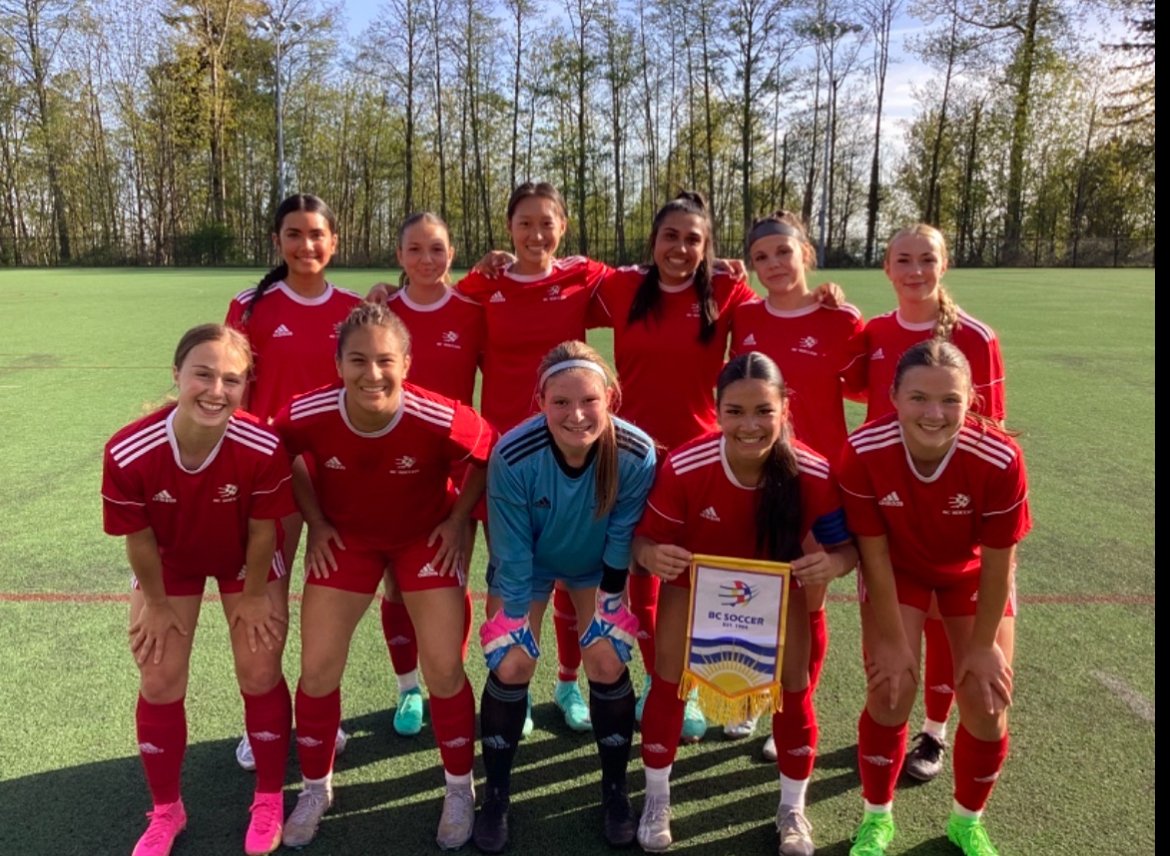
In April 2019, she was selected to represent Team BC at the Whitecaps Combine, playing against the other provinces. Four Fusion players made that team. Olivia was the starting fullback. On the last day, the organizers put together a Game of Distinction, a select match drawn from every province, and they announced the roster in front of everyone, dramatically, name by name.
They called her name. Her honest reaction, again, was that there had to be girls who deserved it more.
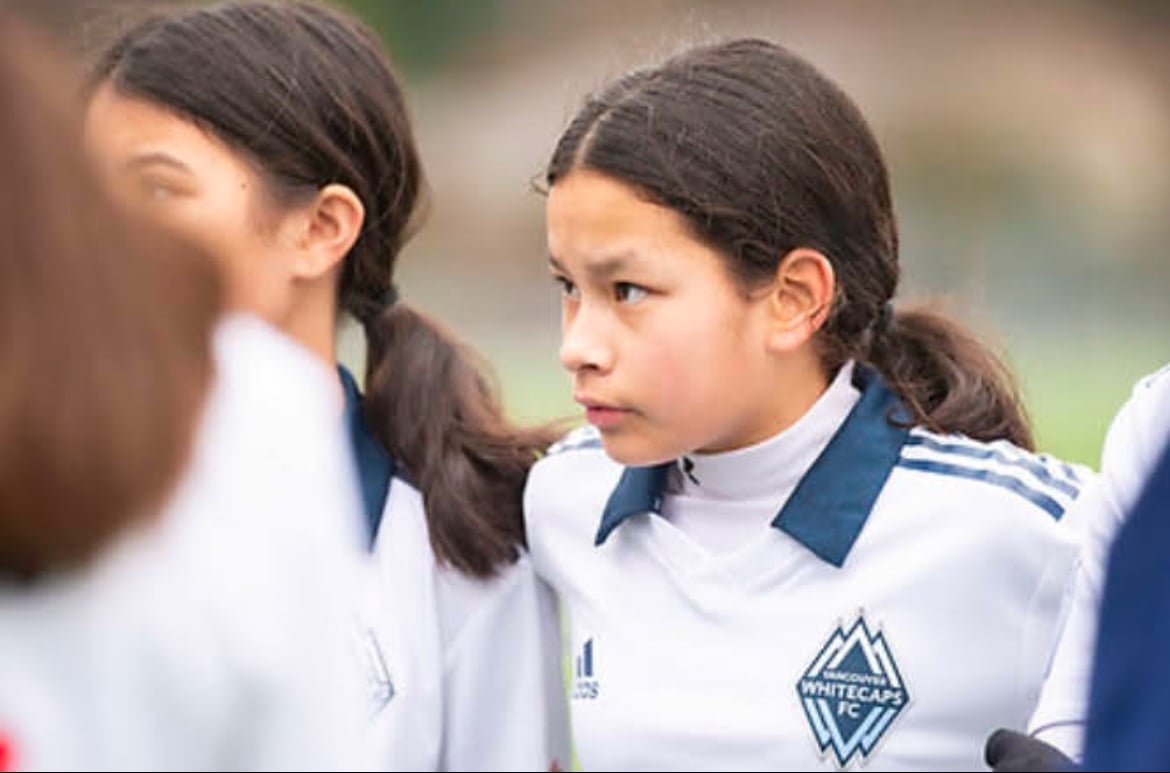
Right after the combine, the Whitecaps began selecting for their Pre-REX program, the runway into REX, the provincial excel pathway where you eventually change schools and train full-time. Olivia made it. And then she did something very few thirteen-year-olds in that position would do.
She asked to go part-time.
She was not ready to leave Fusion. So she and a teammate split the week, training twice with Fusion and twice with the Whitecaps, playing up against 05 BCSPL teams on the weekends. The Whitecaps were not thrilled about the arrangement. They allowed it anyway.
Then COVID arrived and scrambled everything. Fusion went quiet, running Zoom sessions. The Whitecaps cohort was allowed to keep training and playing intersquad games, so through the shutdown, that is where she was.
The Cut
In 2021, the real REX selections came. The full program. The change-your-school, train-every-day program.
This time, Olivia wanted it. Badly. This was no longer the girl who told her C team she would not go even if she made it. She sat in the meeting and they told her no. We think you would grow more in BCSPL.
She was crushed, and she stayed crushed for a long time. The question that looped in her head was the obvious one. Did going part-time cost her? Girls she had been just as good as were now ahead of her. If she had gone all in, would the answer have been different?
She thought about it for years. Here is where she has landed.
Getting cut from Whitecaps at the time was honestly such a blessing in disguise.
— Oliva Gomez
Because here is what the cut actually did. It kept her playing. Fusion. Team BC. And because her 06 group was strong and she was trusted, she and several teammates would play up with the 05s and 04s. Most weekends she was playing three games back to back to back.
Meanwhile, some of her friends inside the full-time program were barely seeing the field. No league, no standings, minutes handed out purely on the program's development priorities. Some of the best young players she knew went through years of training without playing, and some of them lost their love for the game entirely. They were good. It did not matter. It ruined it for them.
Olivia got the opposite. Reps, games, minutes, pressure, three matches a weekend, year after year. The door that closed on her is the reason she developed.
Her 06 Fusion group became the start of something bigger too. That generation set the standard the club's younger teams chased for years. A golden era, and she was one of the players it was built on.
The Passport
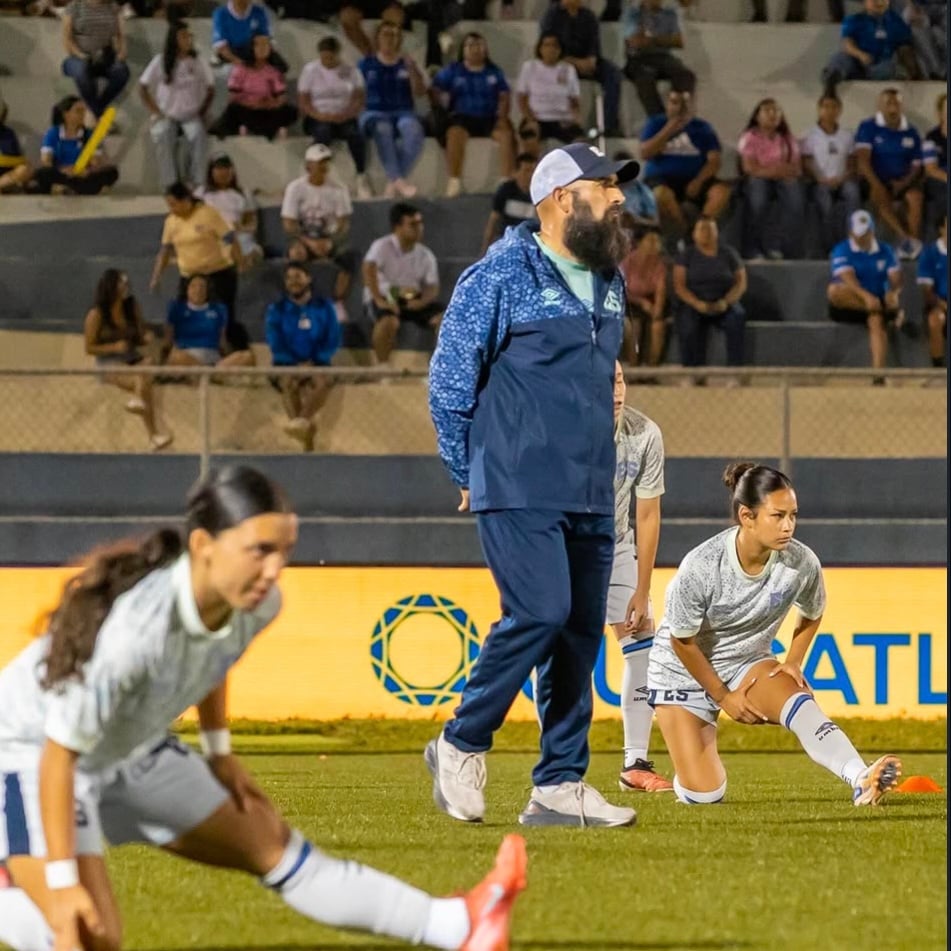
Olivia's mom grew up in El Salvador and moved to Canada at eleven. Most of her family is still there. Olivia had been once, at twelve, on a family trip. That was the extent of the connection, until a teammate showed her what the connection could be.
Dariella, who played on Fusion with her, had Salvadoran heritage too. El Salvador's federation had been running identification camps across the US, looking for players in the diaspora, and Dariella went to one and ended up playing for the U20 national team.
Olivia watched that happen and had a thought that, for once, was not about whether she was good enough.
I guess I could do that, too.
In December 2024, during her first year at UBC, she flew to Los Angeles for an ID camp. Two months later she was in El Salvador with the U20 national team, preparing for the CONCACAF qualifiers in the Dominican Republic.
She started every game of the tournament. Full 90s at fullback against Puerto Rico, the US Virgin Islands, and Honduras. Two wins and a draw. The draw was the problem. It came in the final group game, winner takes the group, against Puerto Rico. It finished 2-2, and Puerto Rico went through on goal differential.
Two goals of differential. That was the margin between going home and playing for a CONCACAF championship.
The coaching in El Salvador is harsher than anything she grew up with in Canada. It was an adjustment, and she is diplomatic about the details. But she performed, and the federation did not forget her.
This past May, the senior team called.
The senior squad is almost entirely professional. Players from the Mexican league, players from the NCAA, and one 19-year-old from Richmond who had to earn the respect of the room all over again, the youngest player in a locker room of grown women who play for a living. It is the pattern of her entire life, replayed at national team scale. Walk into a room that feels too big for you. Prove it is not.
She was rostered for the friendly against Costa Rica. She did not get on the field, and it did not matter even a little bit. The sold-out stadium, the police escorts, the crowds pressing around the bus. The movie from the beginning of this story is her memory of that week.
She got off the bench, eventually, in the most meaningful way possible. Two weeks after we spoke, she was called up again.
Twenty and Zero
We skipped a chapter. It happens to be the chapter where her team never lost.
The recruiting process started at fifteen, and Olivia began it the way most top BC players do, with her mind set on the States. Somewhere along the way she asked herself a question that most fifteen-year-olds never think to ask.
"Do I want to go to the States, or do I just want to be able to say that I'm a Division I athlete?"
Because here is what she knew from watching. UBC beats D1 schools in friendlies. Regularly. If the question was where the best soccer was, the answer was twenty minutes from home.
The wrinkle was that Jesse Symons, UBC's head coach, was also Fusion's recruiting advisor, the man running seminars on how to get recruited to American schools. So Olivia, sixteen years old, sent him what might be the boldest email of her life. As a UBC coach, I'm very interested in UBC. As the Fusion recruiting advisor, can you help me explore my options in the States?
He did both. He also already knew exactly who she was. He had watched her for years.
In grade eleven, having just turned sixteen, she told him on a phone call that UBC was her number one. She meant it as information. He took it as a decision.
Okay, let's make it happen. I'll send you your offer.
The offer arrived that night. She signed within a day.
She went into her first season expecting to redshirt her way through it in everything but name. Two fourth-year fullbacks sat ahead of her on the depth chart. Then one of them got injured in preseason, and the freshman got thrown into the starting lineup of the best university program in the country.
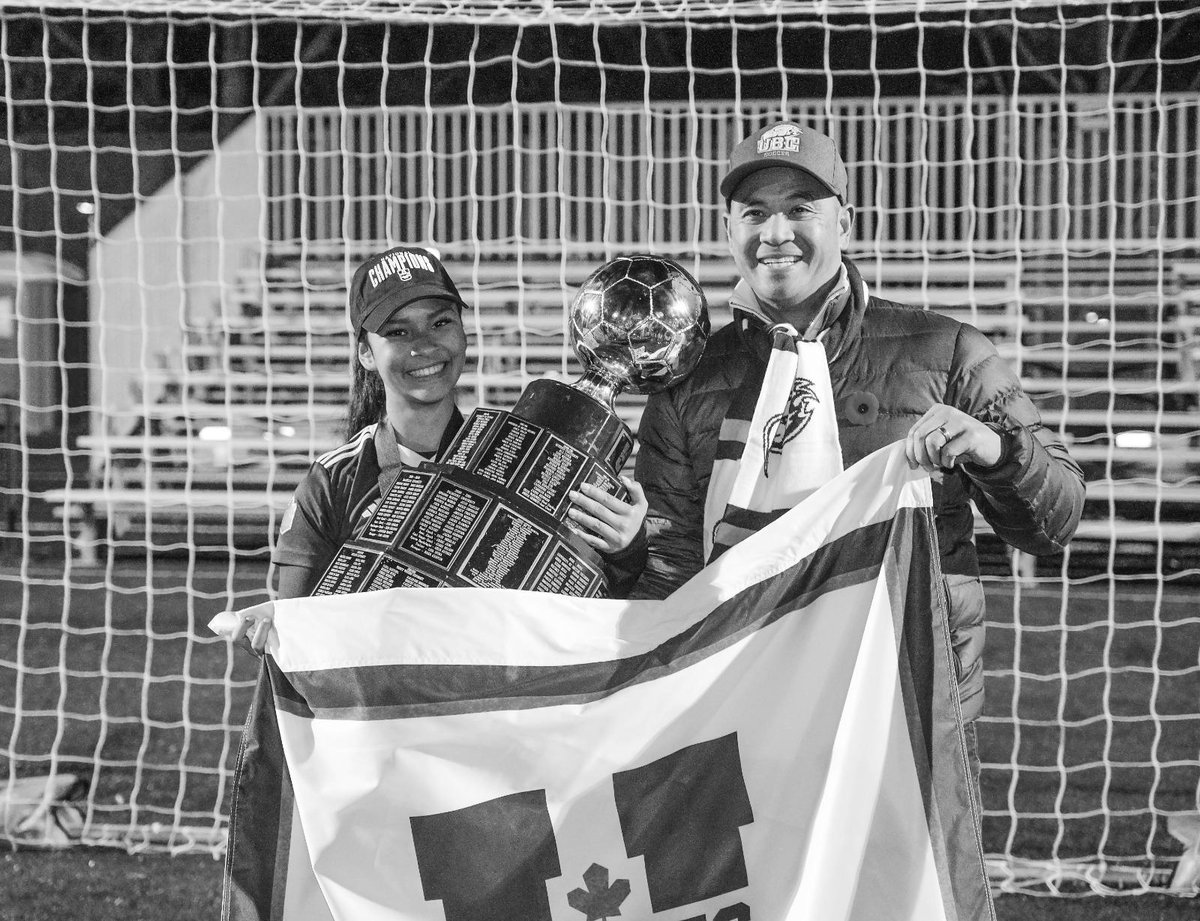
The season that followed barely sounds real. UBC went 20 and 0. Eighteen shutouts. Four goals conceded across the entire year. National champions. Olivia started around thirteen games at fullback, won Canada West Rookie of the Year, and was named to the U Sports All-Rookie Team.
The kid who could not juggle at Trillium was the rookie of the year on an undefeated national championship team.
And then she left.
Not because of the soccer. She is clear about that, and she wants it to be clear. She loves that team. She loves Jesse. The soccer side of UBC was everything it promised to be. School was the problem. She had never been the academic type, never known what she wanted to study, and she had gone in taking scattered courses for eligibility, waiting for a direction to appear. It did not. Her motivation drained, her grades followed, and she found herself burning eligibility just to be there.
So she made the same kind of decision she has been making her whole career, the unglamorous right one over the impressive-sounding one. Part-time Whitecaps to stay with Fusion. UBC over the D1 name. And now, stepping away from school until she knows what she actually wants from it. She has spent the past year working and playing with Altitude, and figuring out the next move.
The next move, it turns out, might be the biggest one yet.
.jpg)
The Next Door
Olivia Gomez wants to play professional soccer.
She says it now without flinching, which, if you have read this far, you understand is the whole story. The girl who told her C team she would not go to Fusion. The girl who felt like an imposter at Trillium. The girl who could not understand why her name got called for the Game of Distinction. That girl is gone. The player who replaced her has started CONCACAF qualifiers, trained beside professionals in a senior national team camp, and looked around and realized she was not out of place.
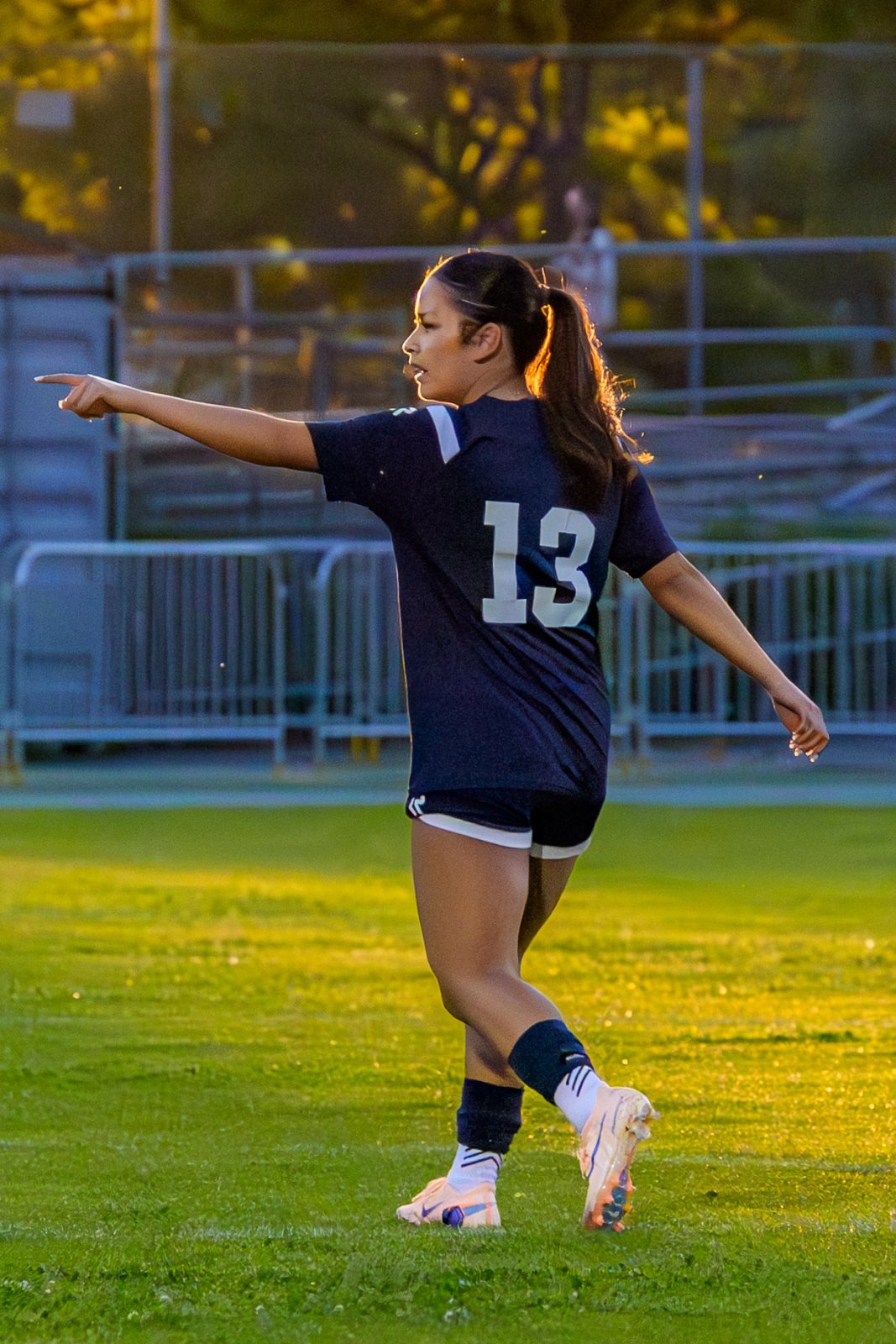
The pathway is new territory, the first door in her career that does not open through a tryout. She is looking at agents, the people who can get her trials. Jesse has told her he will work his professional connections for her. Her national team coach has told her plainly that whenever she wants a team, he will find her one.
Near the end of our conversation, I asked her about the meeting with Jas. The one where a twelve-year-old needed a coach to tell her she was not a mistake. I asked what she would say to that kid now, from the other side of the whole journey.
Everyone's path is different. You can't compare yourself to anyone. Ever.
— Oliva Gomez
Then she laughed and admitted the part that makes it true.
"I need to listen to my own advice. Even right now."
That is the honest version of confidence, the kind that took ten years to build and still needs maintenance. It was never given to her all at once. It was handed to her in pieces, by the people who saw her clearly before she could. There's a reason Olivia got invited. You're here for a reason. Let's make it happen. I can find you a team.
As this story is published, Olivia is not in Richmond. She is with the El Salvador national team, in camp and then at the Central American and Caribbean Games, on the roster of a senior international side at nineteen years old.
Another room that feels too big. It is not. It never was.
She might even believe it this time.
